When it comes to maintaining your air conditioning system, understanding what’s involved can significantly affect its efficiency and lifespan. You should routinely inspect essential components, check and change air filters, and clean coils to guarantee everything runs smoothly. Additionally, managing refrigerant levels and maintaining ductwork play vital roles in your AC’s performance. But there’s more to consider to maximize your comfort and avoid unexpected breakdowns. Curious about the specific steps you should take and when to call in the professionals?
Importance of Regular Maintenance
When you neglect regular air conditioning system maintenance, you risk comfort and jeopardize efficiency and longevity. A well-maintained system operates more efficiently, ensuring your home remains cool without excessive energy consumption. This translates to lower utility bills, allowing you to allocate resources elsewhere.
Ignoring routine upkeep can lead to the accumulation of dirt and debris, which impairs airflow and forces your system to work harder. This added strain can result in premature wear and tear, leading to costly repairs or complete system failure.
Moreover, regular maintenance can help identify minor issues before they escalate into significant problems. By addressing small leaks or electrical faults early on, you can prevent more severe damage, ultimately extending the lifespan of your unit.
Routine Inspections
Although some homeowners may overlook routine inspections, they play an essential role in maintaining the efficiency and reliability of your air conditioning system. These inspections should be conducted at least once a year, ideally before the cooling season begins. A qualified technician will evaluate key components such as the compressor, evaporator coils, and electrical connections during a routine inspection.
They’ll check refrigerant levels to guarantee peak performance and inspect drainage systems to prevent clogs that can lead to water damage. Additionally, technicians will examine the airflow and ductwork for potential obstructions.
Identifying minor issues during these inspections can prevent costly repairs, ensuring your system operates efficiently. You’ll also benefit from improved energy efficiency, lowering utility bills.
Investing time in routine inspections enhances your AC’s lifespan and contributes to a healthier indoor environment. By staying proactive, you’re not just serving your home but fostering comfort and well-being for everyone there. Prioritizing these inspections is crucial for maintaining a reliable and effective air conditioning system.
Changing the Air Filter
Changing the air filter is an important task that directly impacts your air conditioning system’s efficiency and indoor air quality. A clogged or dirty filter restricts airflow, forcing your system to work harder, which can lead to increased energy consumption and potential damage. To maintain peak performance, you should check the filter monthly and replace it every 1 to 3 months, depending on usage and filter type.
First, turn off your AC unit to guarantee safety. Locate the filter, typically found in the return air duct or the air handler. Remove the old filter carefully, noting its orientation for proper installation of the new one. Choose a filter with a MERV rating suitable for your home’s needs; higher ratings capture smaller particles but may restrict airflow if your system isn’t designed for them.
Insert the new filter in the correct direction, ensuring it fits snugly. After replacing the filter, turn your AC back on and monitor its performance. Regularly changing the air filter enhances your system’s efficiency and contributes to healthier indoor air, making it a vital aspect of your home’s maintenance routine.
Cleaning the Coils
Regular air filter changes are key in maintaining your AC system, but cleaning the coils is just as crucial for peak performance. The evaporator and condenser coils collect dirt over time, hindering their ability to absorb and release heat. When the coils are dirty, your system has to work harder, leading to increased energy consumption and potential breakdowns.
First, clean the coils and turn off the power to your AC unit. Locate the evaporator coils inside the air handler. Use a soft brush or vacuum with a brush attachment to gently remove dust and debris. A no-rinse coil cleaner can also spray the coils to dissolve stubborn grime. Rinse thoroughly and allow it to dry before restarting the unit.
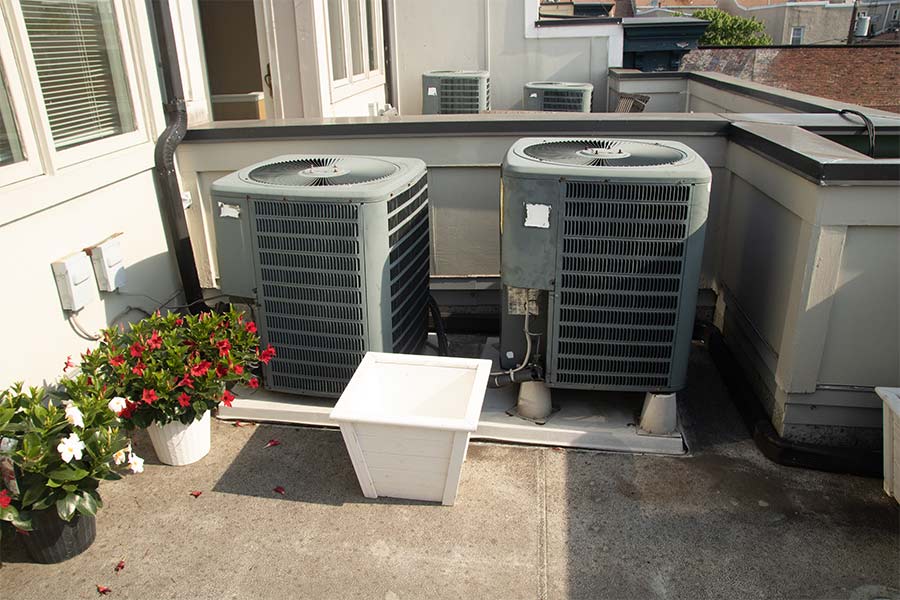
For the condenser coils, typically located outside, remove any obstructions like leaves or debris. Use a garden hose to spray the coils, gently dislodging dirt. Confirm you don’t bend the fins; if they’re damaged, they can affect airflow. Regular coil cleaning enhances efficiency and extends the lifespan of your AC system, confirming that you provide a comfortable environment for those you serve.
Checking Refrigerant Levels
To guarantee your AC system operates efficiently, checking refrigerant levels is vital. Refrigerant is the lifeblood of your air conditioning unit, facilitating heat exchange to cool your home. Insufficient refrigerant can reduce cooling capacity and increase energy consumption, causing damage to your system.
Start by locating the service ports on your unit, typically found on the outdoor condenser. You’ll need a manifold gauge set to measure the pressure of the refrigerant. Connect the gauges to the service ports and note the readings. Compare these values to the manufacturer’s specifications, which you can often find in the unit’s manual or on a label attached to the unit itself.
If the refrigerant levels are low, it’s important to identify the source of the leak before recharging the system. Leaks can lead to environmental hazards and compromise efficiency. Always consider hiring a certified HVAC technician to handle refrigerant handling and recharging, as it’s subject to strict regulations. Regularly checking refrigerant levels guarantees peak performance and prolongs the lifespan of your AC unit, ultimately serving you and your home better.
Inspecting Electrical Components
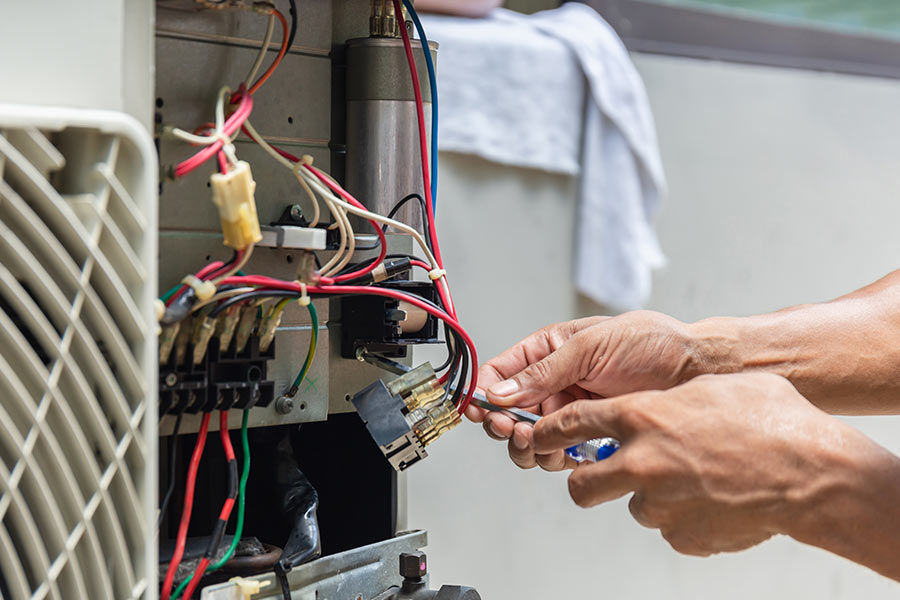
Inspecting the electrical components of your AC unit is vital for guaranteeing reliable operation and safety. Begin by checking the power supply and connections. Loose or corroded wires can lead to operational failures or safety hazards. Verify that all electrical connections are secure and free from debris.
Next, examine the capacitor, which helps start the compressor and fan. Look for signs of swelling or leakage, as these can indicate failure. If you notice any irregularities, replacing the capacitor promptly is important to prevent further damage.
Additionally, inspect the contactor switch. This component controls the flow of electricity to the compressor and fan motor. Confirm it opens and closes smoothly without any sticking. Listen for any unusual noises that might suggest wear.
Finally, review the circuit board for any burnt traces or damaged components. A malfunctioning circuit board can disrupt your AC’s operation and lead to costly repairs. Regularly cleaning and maintaining these electrical parts improves efficiency and extends your system’s lifespan. By closely monitoring these components, you guarantee comfort and actively contribute to a safe and efficient home environment.
Testing Thermostat Functionality
How can you guarantee your thermostat is functioning correctly? Start by checking the display. If it’s blank, replace the batteries or verify the unit is plugged in. Once powered, set the temperature a few degrees higher or lower than the current room temperature. This action will confirm whether the thermostat communicates effectively with your AC system.
Next, listen for the system to respond. Check the circuit breaker and fuses if the air conditioner doesn’t turn on. If power issues persist, consult a professional. You should also verify that the thermostat is level and securely mounted, as improper positioning can lead to inaccurate readings.
Additionally, consider the calibration. An uncalibrated thermostat may not accurately reflect the room temperature. Use a separate thermometer to compare readings and adjust the thermostat settings.
Lastly, test the system in cooling and heating modes (if applicable). This thorough examination guarantees that your thermostat is reliable and comforts those you serve. Regular checks can prevent larger issues, ensuring peak performance from your HVAC system.
Drain Line Maintenance
After guaranteeing your thermostat operates correctly, it’s time to focus on another vital component of your AC system: the drain line. This line is essential for removing condensation produced during the cooling process. It can damage your home’s water and mold growth if clogged.
To maintain your drain line, start by inspecting it regularly. Look for any signs of blockage or leaks. If you notice a clog, use a wet/dry vacuum to remove debris. Alternatively, you can pour a mixture of vinegar and water down the drain line monthly to help prevent buildup.
Additionally, you should check the drain pan for any signs of rust or corrosion. A damaged pan can lead to leaks and ultimately affect your AC unit’s efficiency. If you discover any issues, consider replacing the pan to guarantee peak performance.
Lastly, it’s advisable to schedule professional maintenance at least once a year. A trained technician can thoroughly inspect and clean the drain line, guaranteeing it operates smoothly and effectively. This proactive approach helps to maintain your AC’s longevity and efficiency, ultimately serving your home’s needs better.
Ductwork Inspection
Ductwork plays an important role in your AC system’s efficiency and air quality, so it is crucial to conduct regular inspections. Over time, ducts can accumulate dust, debris, and allergens, impeding airflow and compromising indoor air quality. During a ductwork inspection, you should check for visible signs of damage, such as tears, holes, or corrosion. These imperfections can lead to air leaks, causing your system to work harder and increasing energy costs.
You’ll also want to inspect the insulation around your ducts. Insufficient or damaged insulation can cause temperature fluctuations, making your system less efficient. Confirm that all joints are sealed properly to prevent any air loss. If you notice any strange odors or unusual noises coming from your ducts, it’s a signal that something might be off.
Finally, consider measuring airflow at various vents. Inconsistent airflow might indicate blockages or imbalances within the system. By addressing these issues promptly, you improve your AC system’s performance and enhance the comfort and health of your home environment. Regular ductwork inspections are fundamental for maintaining an efficient and effective air conditioning system.
Scheduling Professional Servicing
When should you schedule professional servicing for your AC system? Ideally, you should book a service appointment at least once a year before the cooling season begins. Scheduling a professional inspection can significantly enhance your system’s efficiency and longevity.
Consider the following indicators that signal it’s time for professional servicing:
- Unusual Sounds: If you hear clanging, buzzing, or grinding noises, it’s a sign something’s amiss.
- Inconsistent Cooling: If certain areas in your home feel warmer than others, your system may need attention.
- Increased Energy Bills: A sudden spike in energy costs could indicate inefficiency, often due to lack of maintenance.
- Frequent Cycling: If your AC frequently turns on and off, this could lead to wear and tear.

Conclusion
In the dance of comfort and efficiency, regular AC maintenance is your partner. By embracing routine inspections and mindful upkeep, you’re preserving your system, enhancing your home’s air quality, and ensuring its longevity. So, don’t wait for the summer heat to remind you—stay proactive and schedule professional servicing. With each filter change and coil cleaning, you’re weaving a tapestry of cool relief, ensuring your sanctuary remains a refreshing atmosphere.
Frequently Asked Questions
How Often Should I Schedule AC Maintenance Services?
Scheduling seasonal service simplifies system stability. Ideally, you should schedule AC maintenance twice yearly—once before summer and once before winter. Regular check-ups guarantee efficiency, extend lifespan, and enhance comfort, keeping your home pleasant.
What are the signs that my AC needs maintenance?
If your AC blows warm air, makes unusual noises, or cycles frequently, it’s time to act. You might also notice higher energy bills or unpleasant odors, all clear signs that your system needs maintenance.
Can I Perform AC Maintenance Myself?
You might think DIY AC maintenance is a breeze, but it’s often more complex than it seems. While you can handle some tasks if you’re skilled and diligent,
professional help guarantees efficiency and safety.
What Costs Are Associated With AC Maintenance?
AC maintenance typically includes technician fees, parts replacements, and service charges. You’ll also consider seasonal tune-ups and potential repairs. Budgeting for these expenses guarantees your system runs efficiently and prolongs its lifespan.
How Long Does an AC Maintenance Service Take?
An AC maintenance service typically takes one to two hours. During this time, technicians inspect, clean, and test various components, ensuring peak performance and efficiency. This ultimately enhances comfort and reduces energy costs in your home.