




If you’re a homeowner in Columbus, IN, ensuring your furnace runs efficiently is vital, especially during the colder months. You might be surprised by how a few simple checks can improve your comfort and save on costs. From adjusting the thermostat to inspecting the air filter, these tips can make a significant difference. Curious about the following steps to optimize your heating system? Let’s explore some essential troubleshooting tips you won’t want to overlook.
Check Your Thermostat
Before diving into more complex furnace troubleshooting, it’s essential to check your thermostat settings, as they play an important role in your heating system’s performance.
Start by ensuring your thermostat is set to “heat” mode and that the temperature is set higher than the current room temperature. If it’s a programmable thermostat, confirm it’s not on a schedule that keeps your home cooler than you’d like.
Next, check the batteries. Dead batteries can cause the thermostat to malfunction, preventing your furnace from turning on. If your thermostat has a display, make sure it’s functioning correctly.
Lastly, give it a few minutes after making adjustments to see if the furnace kicks in. If it doesn’t, you should explore deeper issues. Regular preventive maintenance programs also help ensure your thermostat and furnace operate efficiently.
Taking these initial steps can save you time and frustration, helping you maintain a cozy environment in your home.
Check the Air Filter
Inspecting your air filter is essential for your furnace’s efficiency. Check its condition regularly, and don’t forget to replace it when it’s dirty or clogged. Also, make sure you’re using the right size filter to keep your system running smoothly. Regularly replacing air filters can help improve energy efficiency, leading to lower energy bills and a commitment to optimal home comfort during winter.
Check Filter Condition
One of the simplest yet most effective ways to maintain your furnace is by regularly checking the air filter’s condition. A clean air filter helps your system run efficiently, which means better air quality and lower energy bills.
When you inspect the filter, look for signs of dirt and debris that can hinder performance.
- A clogged filter can lead to unnecessary breakdowns.
- Poor air quality can affect your family’s health.
- Increased energy costs can strain your budget.
Make it a habit to check your air filter monthly, especially during heavy use seasons.
Keeping it clean not only extends the life of your furnace but also guarantees your home stays comfortable all year round.
Replace Regularly
Regularly replacing your air filter is essential for maintaining your furnace’s efficiency and performance. A clogged or dirty filter restricts airflow, making your furnace work harder, which can lead to higher energy bills and potential breakdowns.
You should check the filter every month, especially during peak heating seasons. If it looks dirty or has become discolored, it’s time to replace it. Most filters need changing every 1-3 months, but this can vary based on usage and the type of filter you have.
Keeping a fresh filter not only improves air quality but also extends the lifespan of your furnace. Make it a habit to stock up on filters, so you’re always prepared when it’s time for a change!
Use the Right Filter Size
Keeping your air filter clean is just the beginning—making sure you have the correct size filter is equally important.
An improperly sized filter can lead to inefficiencies, increased energy bills, and potential damage to your furnace.
Here’s what you should consider:
- A filter that’s too small may allow dust and debris to bypass, compromising air quality.
- A filter that’s too large can restrict airflow, causing your furnace to work harder than necessary.
- Regularly checking the size guarantees your system runs smoothly and efficiently.
Check the Furnace Power Supply
A functioning furnace relies on a stable power supply, so it’s vital to check that everything is connected correctly. Start by inspecting the power cord to verify it’s securely plugged into the outlet. If your furnace uses a switch, confirm it’s in the “on” position. Look for any visible damage to the cord or plug, as these can interrupt the power flow.
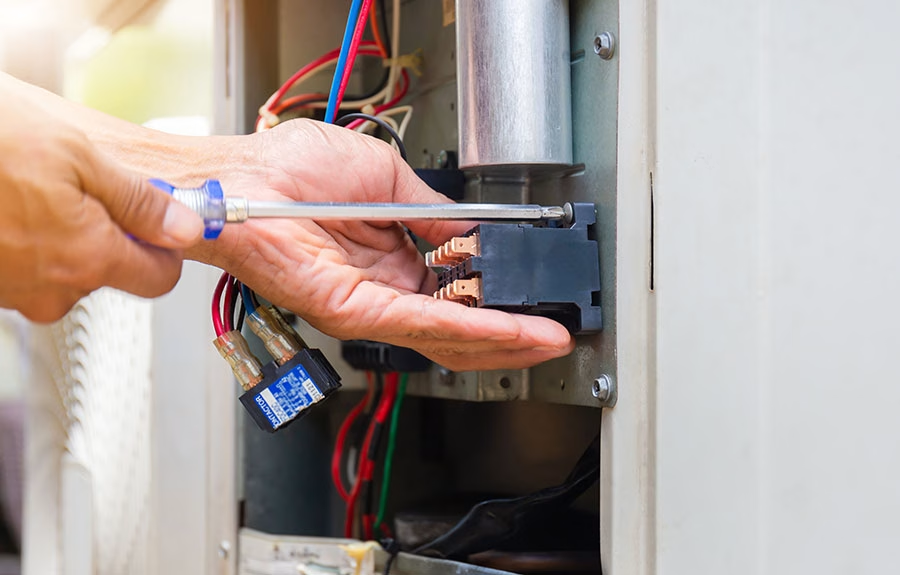
Next, check for any loose wires or connections inside the furnace itself. If you’re comfortable doing so, carefully remove the access panel to inspect the wiring. Just make certain the power is turned off before you do this!
Lastly, if your furnace has a battery backup, verify that the batteries are fresh and properly installed. Taking these steps can help you identify power issues quickly, making sure your furnace operates reliably when you need it most. Additionally, ensuring compliance with local regulations during furnace installation can prevent future power-related problems.
Inspect the Circuit Breaker
Before diving deeper into furnace troubleshooting, it’s essential to examine the circuit breaker. A tripped breaker can stop your furnace from functioning, leaving you in the cold.
Here’s what you should look for:
- Check for Tripped Breakers: If the breaker is off, switch it back on.
- Inspect for Overloads: If the breaker trips again, you might’ve an overload issue that needs attention.
- Look for Burnt Smells: Any burnt odors could indicate a serious problem, requiring immediate action.
If you find the circuit breaker doesn’t resolve the issue, don’t panic. It might be time to call in a professional to assess the situation further, especially if you suspect thermostat issues that could disrupt your comfort and safety.
Listen for Unusual Noises
As you listen to your furnace, pay attention to any unusual noises it makes.
Familiar sounds like rattling or banging can signal problems that need your attention.
Knowing when to call in professionals can save you from more significant problems down the line.
Common Furnace Noises
Furnace noises can be a telltale sign of underlying issues that need your attention. If you hear strange sounds, don’t ignore them.
Here are some everyday furnace noises that should raise a red flag:
- Banging: This could indicate loose parts or debris in the burner.
- Squealing: Often a sign of worn-out belts or bearings that need lubrication.
- Clanging: This may suggest that metal parts are expanding or contracting, which could lead to more significant problems.
Listening closely to these sounds can help you identify potential issues early, preventing costly repairs down the line.
If you notice any of these noises, it’s wise to consult a professional for an assessment. Your comfort and safety depend on it!
Identifying Problematic Sounds
Have you ever noticed unusual sounds coming from your heating system? Those noises can be more than just annoying; they might signal an issue.
Listen closely for rattling, which could indicate loose components, or a high-pitched squeal that may point to worn-out bearings in the blower motor. A rumbling or booming sound often suggests a dirty burner or delayed ignition, while hissing can indicate a gas leak.
If you hear a constant clicking noise, it might mean a malfunctioning thermostat or an issue with the ignition system. Pay attention to these sounds, as they can help you pinpoint potential problems before they escalate.
Being proactive now can save you time and money later.
When to Call Professionals
When your heating system starts making strange sounds, it’s crucial to take them seriously. Unusual noises can indicate underlying issues that need professional attention.
If you notice any of the following, don’t hesitate to call in the experts:
- Persistent banging or clanging that disrupts your peace
- High-pitched squeals that signal potential mechanical failure
- Hissing or popping sounds indicate gas leaks or other dangers
These sounds can be warning signs of serious problems.
At Advantage Heating and Air Conditioning Inc., our team is ready to help you regain your comfort.
Don’t wait for a minor issue to escalate; reach out for expert assistance and guarantee your home stays safe and warm. Your peace of mind is just a call away!
Clear Blocked Vents
Blocked vents can significantly impact your furnace’s performance and your home’s comfort. When air can’t flow freely, your system works harder, leading to increased energy bills and uneven heating.
Start by checking all vents in your home. Look for furniture, rugs, or other items that might be obstructing airflow. Even minor blockages can cause significant issues, so clear any debris or obstacles you find.
Also, take a moment to inspect your vent covers and grilles for dust and dirt buildup. A quick cleaning can improve airflow and efficiency.
Don’t forget to check the exterior exhaust vents as well; they can get blocked by snow, leaves, or other debris. By ensuring your vents are clear, you can help your furnace operate more efficiently and maintain a comfortable home environment.
If you’ve done all this and still face issues, it may be time to call in a professional for further assistance.
Check the Pilot Light
When your furnace isn’t working, start by checking the pilot light.
Look at the flame color; a blue flame indicates it’s burning properly, while yellow or orange can signal a problem.
Also, make sure you have a steady gas supply to keep it lit and functioning.
Check the Flame Color
To guarantee your furnace is operating efficiently, checking the flame color of the pilot light is essential. A healthy pilot light should burn a steady blue flame.
If you notice a yellow or orange flame, it could indicate a problem, such as incomplete combustion or dirt accumulating in the burner.
Keep these points in mind:
- A blue flame means your furnace is safe and efficient.
- A yellow or orange flame suggests potential hazards.
- Addressing flame color issues early can save you money on repairs.
If you see anything other than blue, it’s time to call a professional.
Don’t wait for a minor issue to become a costly repair—take action now for your home’s comfort and safety.
Ensure Proper Gas Supply
Securing a proper gas supply is essential for your furnace’s operation, especially when verifying the pilot light’s function.
First, check if the gas valve is open; it should be parallel to the gas line. If the pilot light is out, follow the manufacturer’s instructions for relighting it. Make sure to wait a few minutes after turning off the gas before attempting to relight, as this guarantees safety.
If the pilot light won’t stay lit, you might’ve a faulty thermocouple or a gas supply issue. Don’t hesitate to call a professional for help.
Regular maintenance can prevent many gas supply issues and guarantee your furnace runs efficiently throughout the colder months.
Clean Internal Components
Regularly cleaning your furnace components can significantly enhance their efficiency and lifespan. Dust and debris can accumulate in your furnace, leading to reduced airflow and increased energy costs.
Taking the time to clean these parts can save you money and keep your home comfortable.
Consider these emotional benefits of a clean furnace:
- Peace of mind knowing your system runs smoothly and safely.
- Increased comfort as you enjoy consistent heating throughout your home.
- Long-term savings on energy bills and potential repairs.
Start by turning off your furnace and removing any dust from the blower, filter, and ducts. A clean filter is particularly vital; replace it if it looks dirty.
Seal Leaks and Drafts
Have you checked your home for leaks or drafts lately? Identifying these issues can significantly improve your furnace’s efficiency and your overall comfort.
Start by inspecting windows and doors for any gaps. You can use a candle or a lighter to detect air movement; if the flame flickers, you’ve got a draft.
Don’t forget to check your attic and basement, as these areas can often harbor leaks that affect your heating system.
Sealing these leaks with weatherstripping or caulk can make a noticeable difference in your home’s warmth.
Additionally, verify that vents and ducts are properly sealed and insulated. If you notice cold spots in certain rooms, it might indicate that air is escaping.
Taking the time to address leaks and drafts not only enhances your furnace’s performance but also boosts your energy savings.
Keep your home cozy and efficient this winter!
Book a Furnace Tune-Up
Although you might think your furnace is running smoothly, scheduling professional maintenance can uncover hidden issues that could lead to costly repairs down the line.
Regular check-ups help guarantee your system operates efficiently and safely. It’s a proactive measure that not only extends the lifespan of your furnace but also keeps your home comfortable year-round.
Consider these emotional benefits of professional maintenance:
- Peace of Mind: Knowing your furnace is in top shape lets you relax during the cold months.
- Energy Savings: A well-maintained furnace runs more efficiently, reducing your energy bills.
- Safety Assurance: Regular inspections help identify potential hazards, keeping your family safe.
Don’t wait for a breakdown to call in the experts.
Partner with Advantage Heating and Air Conditioning Inc. for reliable, high-quality service that prioritizes your comfort and satisfaction.
Schedule your maintenance today!
Stay Warm with a Reliable Furnace
By following these furnace troubleshooting tips, you’ll be well on your way to keeping your home warm and inviting throughout the winter. Think of it as giving your furnace a little TLC to guarantee it’s in tip-top shape. Remember, regular check-ups can help you avoid those unexpected cold spells. So, roll up your sleeves, embrace the chill, and give your furnace some love—it’ll thank you with cozy nights and peace of mind!