




Columbus, IN homeowners deal with genuine seasonal extremes, from humid summers that push cooling systems hard to cold Indiana winters that demand reliable heat. Working in homes across Columbus, our team has seen firsthand how ductless mini split systems transform comfort and meaningfully reduce monthly energy costs. Whether you are considering a ductless mini split installation for the first time or want to understand how these systems compare to traditional HVAC, this guide covers what you need to know.
What You’ll Learn:
- How ductless mini splits work and why they suit Columbus homes
- Key efficiency features including inverter technology and SEER2 ratings
- What professional installation involves and why it matters
- How regular maintenance protects long-term performance
- How ductless systems compare to traditional HVAC
What Are Ductless Mini Splits and How Do They Work?
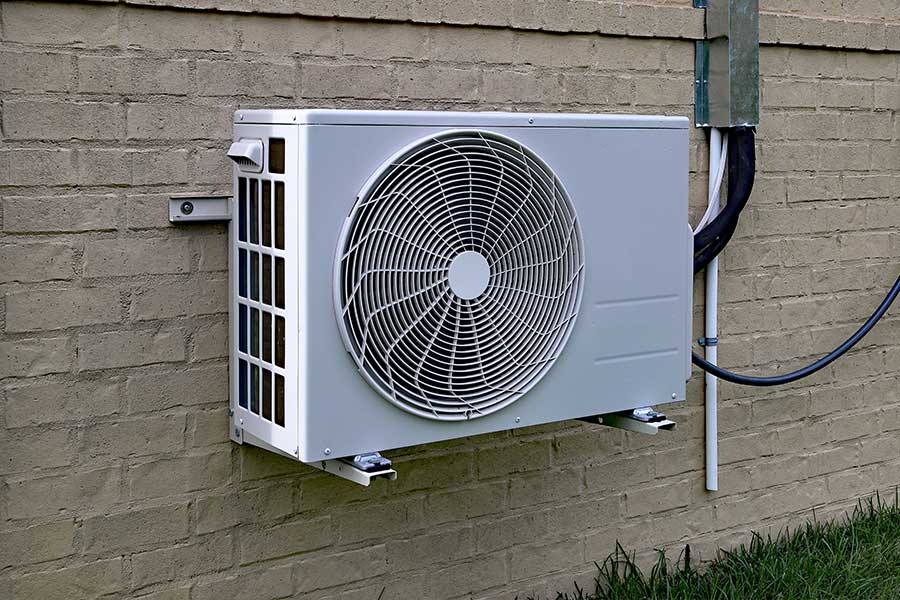
Ductless mini splits consist of an outdoor compressor unit paired with one or more indoor air-handling units. Unlike traditional HVAC systems that rely on a network of ducts to distribute conditioned air, mini splits deliver heating and cooling directly to individual spaces. This eliminates the energy loss that commonly occurs in duct systems, which can account for a significant portion of wasted energy in older homes.
Columbus properties, particularly those with older construction near downtown or homes with room additions off State Road 46, are well-suited to mini split systems. Zoned heating and cooling allows each space to be managed independently, so energy is only used where it is actually needed. The result is a more efficient system overall and a more comfortable home throughout every season.
Key Features That Make Ductless Mini Splits Energy Efficient
Several built-in features make ductless mini splits a standout choice for energy efficiency. Inverter technology is one of the most significant. Rather than cycling on and off like a conventional system, an inverter-driven compressor adjusts its speed continuously based on real-time demand. This steady operation uses considerably less energy and maintains more consistent indoor temperatures.
SEER2 ratings, the current federal efficiency standard for cooling equipment, are another important consideration. Mini split systems frequently carry high SEER2 ratings, which translates to lower operating costs over the life of the equipment. Pairing a high-efficiency mini split with a smart thermostat adds another layer of control, allowing precise scheduling and remote temperature adjustments that reduce unnecessary energy use.
Multi-zone configurations let different areas of your home operate at different temperatures simultaneously, so a finished basement, a home office, or a room addition can be conditioned without affecting the rest of the house. ENERGY STAR certified models meet strict efficiency guidelines and are worth prioritizing when comparing equipment options.
What Professional Ductless Mini Split Installation Involves
Proper installation is the foundation of a well-performing mini split system. The process involves more than mounting units and connecting lines. A qualified technician evaluates the layout of your home, identifies the optimal placement for both indoor and outdoor units, and ensures that airflow patterns support consistent performance throughout each zone.
Refrigerant line installation requires precision. Improper connections affect system efficiency and can lead to long-term performance issues that are costly to correct. Electrical connections, drainage routing, and insulation checks are all part of a thorough installation that sets the system up for reliable operation from day one.
Columbus homes vary considerably in age and construction. Older properties near the Bartholomew County Fairgrounds area may present different installation considerations than newer builds further out. Our technicians assess each home individually before making equipment or placement recommendations, ensuring the system is configured for the specific conditions of that property.
Trusting a qualified team for your ductless mini split installation protects both your investment and your manufacturer warranty, many of which require professional installation as a condition of coverage.
How Regular Maintenance Keeps Your System Running Efficiently
A ductless mini split that receives consistent professional attention performs better, lasts longer, and costs less to operate over time. Indiana’s seasonal demands, with high cooling loads through the summer months and heating requirements through winter, put steady wear on these systems. Annual maintenance helps ensure that wear does not quietly become a performance issue.
During a professional maintenance visit, technicians inspect refrigerant levels, clean coils, verify electrical connections, check drainage lines, and confirm that all components are operating within manufacturer specifications. These checks catch developing issues early, before they result in reduced efficiency or an unexpected breakdown during the weeks you need your system most.
Scheduling ductless mini split maintenance at least once a year is one of the most practical steps a Columbus homeowner can take to protect the long-term value of their system and keep energy costs under control.
Ductless Mini Splits vs. Traditional HVAC: Which Is Right for Your Home?
Both system types have their place, and the right choice depends on your home’s layout, existing infrastructure, and comfort goals. Traditional HVAC systems work well in homes with existing ductwork in good condition. However, duct systems are prone to energy loss through leaks and poorly insulated runs, which contributes to higher operating costs over time. Duct cleaning and ongoing duct maintenance also add to the total cost of ownership.
Ductless mini splits are particularly well-suited for homes without existing ductwork, spaces that need independent temperature control, or properties where adding ductwork would be impractical or expensive. In Columbus, homes with finished basements, detached garages, or older construction that predates central HVAC are strong candidates for a ductless approach.
For homes that already have central systems in place, mini splits can serve as a targeted supplement for problem areas rather than a full replacement. The U.S. Department of Energy notes that ductless systems can be a highly efficient alternative to both window units and ducted systems in the right applications.
Keeping Your Columbus Home Comfortable Year-Round
Ductless mini splits offer Columbus homeowners a practical, energy-efficient path to whole-home comfort across every season. From the efficiency advantages of inverter technology and high SEER2 ratings to the long-term value of professional installation and consistent maintenance, every step in the process contributes to a system that performs reliably and keeps operating costs in check.
If you are ready to explore whether a ductless mini split system is the right fit for your home, contact our team today to schedule a consultation with one of our experienced Columbus HVAC professionals.
Frequently Asked Questions
How much can a ductless mini split reduce my energy bills? Savings vary based on home size, system configuration, and how the previous system performed. Homes replacing older, inefficient equipment or window units typically see the most significant reductions. Higher SEER2-rated models deliver the greatest long-term savings.
How many zones do I need for my Columbus home? Zone count depends on your home’s layout and how independently you want to control different spaces. A single-zone system works well for one room or addition, while multi-zone configurations can serve an entire home with customized temperatures in each area.
How often should a ductless mini split be serviced? Annual professional maintenance is the standard recommendation. Homes in climates like Columbus that experience both heavy summer cooling and winter heating demands benefit from consistent yearly tune-ups.
Can a ductless mini split heat my home during an Indiana winter? Yes. Most modern mini split systems are heat pumps capable of efficient heating even in cold temperatures. Some models are rated for effective operation well below freezing, making them a viable year-round solution for Columbus homeowners.
What is the lifespan of a ductless mini split system? With professional installation and regular maintenance, ductless mini splits typically last between 15 and 20 years. Skipping maintenance or delaying repairs can shorten that lifespan considerably.